Proper documentation promotes transparency, consistency, and traceability within research environments.
Product Documentation
Each product record should include:
- Product name
- Lot or batch number
- Manufacturing date
- Expiry or retest date
- Storage recommendations
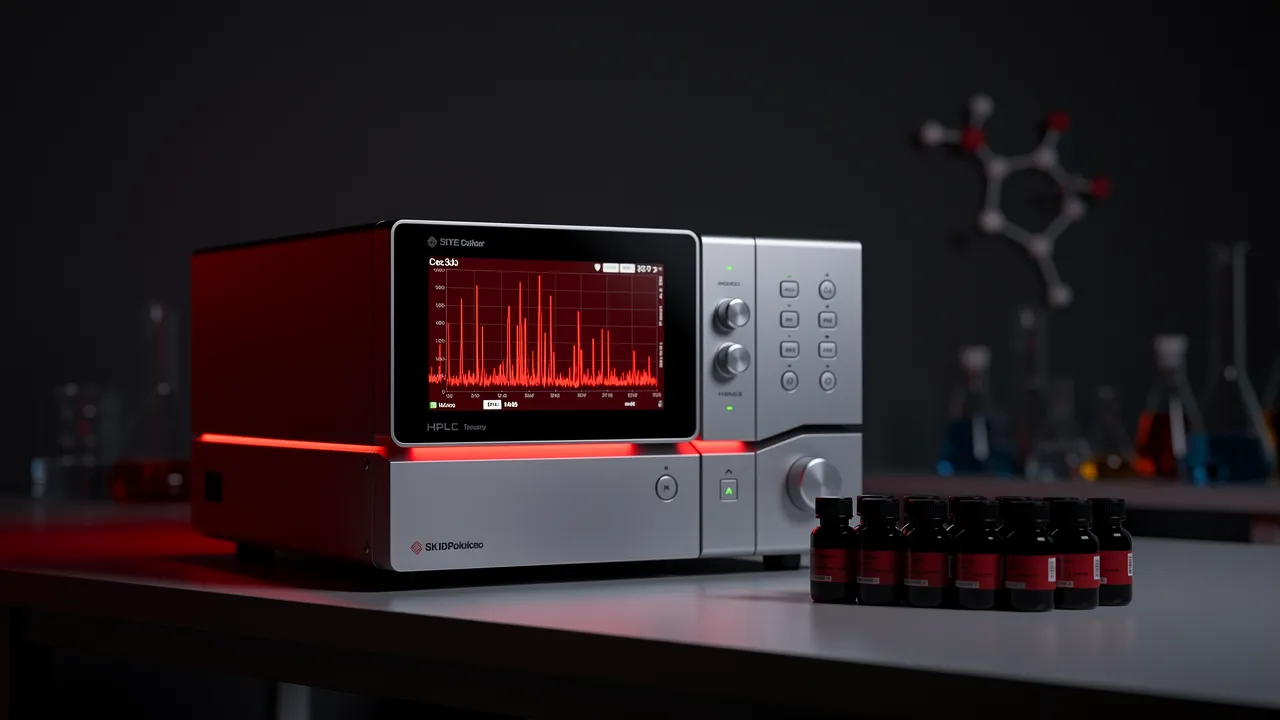
- Analytical testing references
Laboratory Records
Researchers should maintain:
- Experimental protocols
- Preparation logs
- Observation notes
- Data collection records
- Result summaries
Traceability
Effective documentation allows:
- Batch tracking
- Verification of testing history
- Identification of analytical reports
- Consistent record keeping
Quality Control Documentation
Common quality documents include:
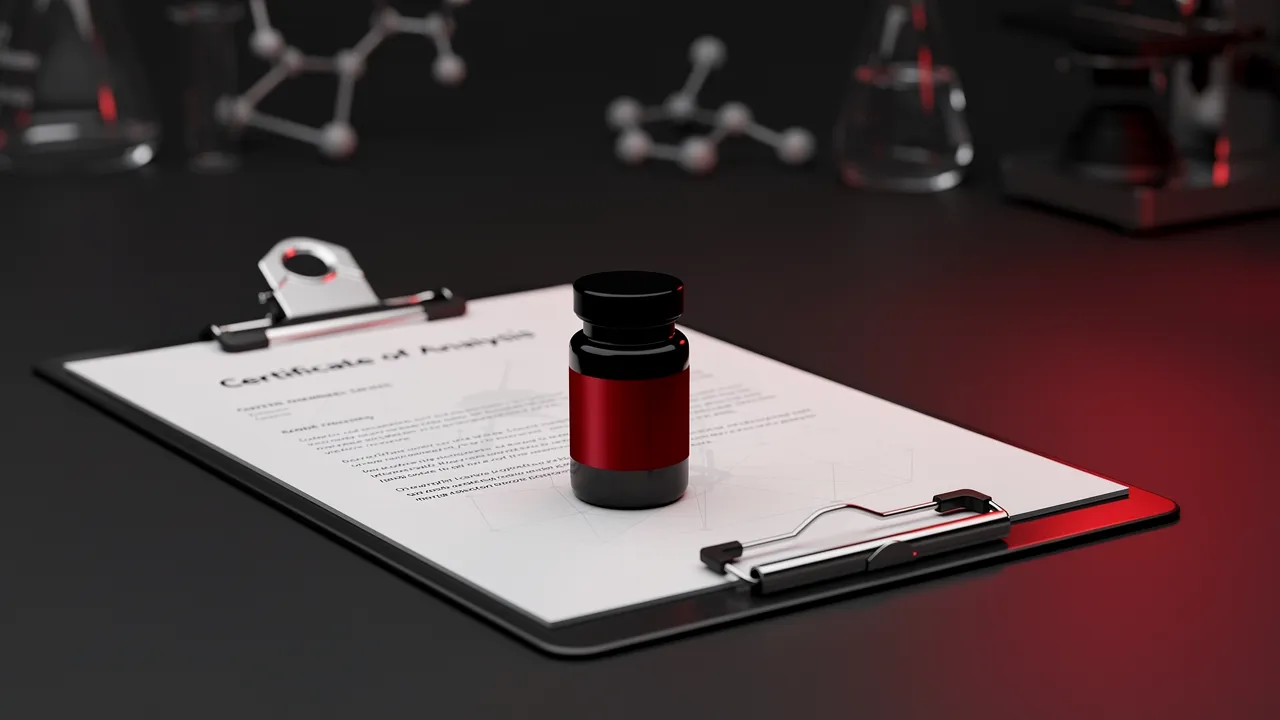
- Certificates of Analysis (COAs)
- Stability reports
- Testing summaries
- Product specifications
Best Practices
- Maintain organised records
- Use standardised formats
- Record information promptly
- Archive documentation securely
- Review records periodically for accuracy
Provided for educational purposes only. All compounds are supplied strictly for laboratory research use and are not approved for human or veterinary use.