Introduction
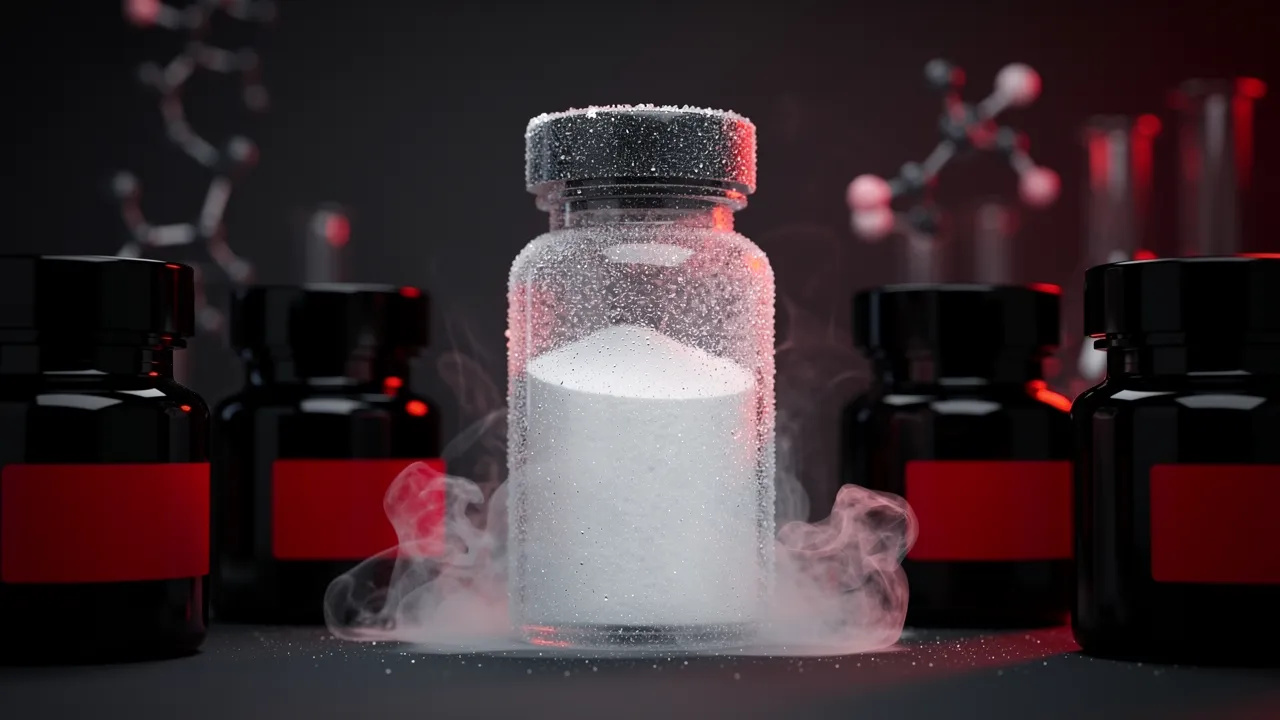
Lyophilisation, commonly referred to as freeze-drying, is a specialised preservation process widely used in pharmaceutical, biotechnology, and research environments. The process removes water from a compound under controlled conditions, resulting in a dry, stable material commonly known as a lyophilised “cake.”
Many synthetic research peptides and biological compounds are supplied in lyophilised form due to the enhanced stability achieved through moisture removal. When handled and stored correctly, lyophilised compounds can maintain their structural integrity for extended periods compared to equivalent liquid preparations.
What Is Lyophilisation?
Lyophilisation is a dehydration process performed under low temperature and vacuum conditions. The process consists of three primary stages:
1. Freezing
The solution containing the target compound is rapidly frozen. Water molecules form ice crystals while the active compound remains distributed throughout the frozen matrix.
2. Primary Drying (Sublimation)
Under vacuum conditions, frozen water transitions directly from solid ice to vapour without entering a liquid phase. This removes the majority of moisture from the product.
3. Secondary Drying
Residual bound moisture is removed under carefully controlled conditions, producing a stable, dry final product suitable for storage and transportation.
Why Lyophilised Compounds Are Used
Research compounds are frequently supplied in lyophilised form because of:
- Improved long-term stability
- Reduced degradation risk
- Simplified transportation requirements
- Lower susceptibility to hydrolysis
- Enhanced preservation of molecular structure
- Reduced need for preservatives
These advantages make lyophilised products the preferred format for many peptide and protein-based research materials.
Factors Affecting Stability
Although lyophilised compounds are generally more stable than liquid formulations, stability can still be affected by environmental conditions.
Temperature
Elevated temperatures may accelerate degradation processes over time. Consistent storage conditions are recommended whenever possible.
Moisture
Exposure to humidity can introduce moisture into the vial, potentially reducing stability and increasing degradation risk.
Light Exposure
Certain compounds may be sensitive to ultraviolet or prolonged light exposure. Storage in original packaging helps minimise unnecessary exposure.
Oxygen
Oxidation can affect some compounds over extended periods, particularly when combined with elevated temperatures and humidity.
Recommended Storage Practices
Short-Term Storage
- Store according to manufacturer recommendations.
- Avoid prolonged exposure to heat or direct sunlight.
- Keep containers sealed when not in use.
Long-Term Storage
- Maintain consistent storage temperatures.
- Protect from humidity and moisture.
- Avoid repeated temperature cycling.
- Retain original packaging whenever possible.
Storage requirements may vary between compounds and should always be evaluated individually.
Understanding Lyophilised Appearance
The appearance of a lyophilised compound may vary depending on formulation, concentration, and manufacturing parameters. Common appearances include:
Uniform Cake
A solid, evenly distributed structure attached to the vial base.
Powdered Appearance
Some compounds may present as a loose powder rather than a compact cake.
Thin Film
Highly purified compounds occasionally appear as a thin coating or film within the vial. Visual differences do not necessarily indicate quality concerns.
Common Variations Observed
Cake Size Differences
The physical volume of a lyophilised cake is not always proportional to compound quantity. Different formulations can produce significantly different cake sizes despite containing identical masses.
Colour Variations
Compounds may appear white, off-white, cream, or slightly tinted depending on their molecular characteristics and manufacturing process. Minor colour variation is not uncommon.
Surface Cracking
Small fractures or cracks may occur during the freeze-drying process and do not automatically indicate product degradation.
Shipping & Transport Considerations
Research compounds may experience temporary temperature fluctuations during transit. Modern lyophilised preparations are generally more resilient than liquid formulations, making them suitable for transportation when packaged appropriately. Upon receipt:
- Inspect packaging for damage.
- Confirm product identification.
- Store according to recommended conditions.
- Avoid unnecessary environmental exposure.
Frequently Asked Questions
Why is the vial not completely full?
Lyophilised products often contain very small quantities of material. The physical appearance may not accurately reflect the total compound amount present.
Why does one vial look different from another?
Differences in formulation, fill volume, excipients, and freeze-drying parameters can produce varying appearances between products.
Can lyophilised compounds absorb moisture?
Yes. Exposure to humid environments may allow moisture absorption over time, potentially affecting stability.
Is a cracked cake normal?
Minor cracking can occur naturally during manufacturing and transportation and is not necessarily indicative of reduced quality.
Quality Assurance
Professional laboratories utilise quality control systems that may include:
- Raw material verification
- Manufacturing documentation
- Environmental monitoring
- Batch traceability
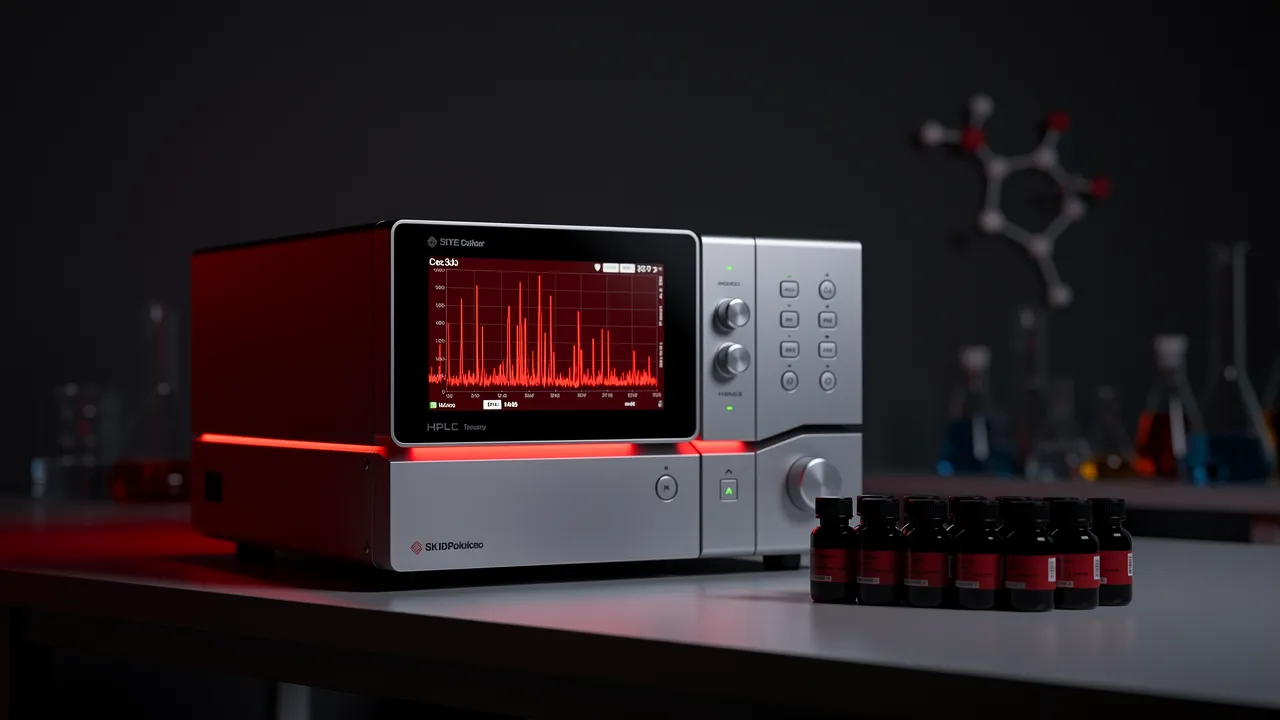
- Analytical testing
- Certificate of Analysis (COA) review
These procedures assist in maintaining consistency and product integrity throughout the manufacturing process.
This technical guide is provided for educational and informational purposes only. Research compounds should be handled exclusively by qualified professionals operating within applicable regulations, institutional policies, and laboratory protocols. Products referenced within this guide are intended for laboratory research use only and are not approved for human or veterinary consumption.